तिखट
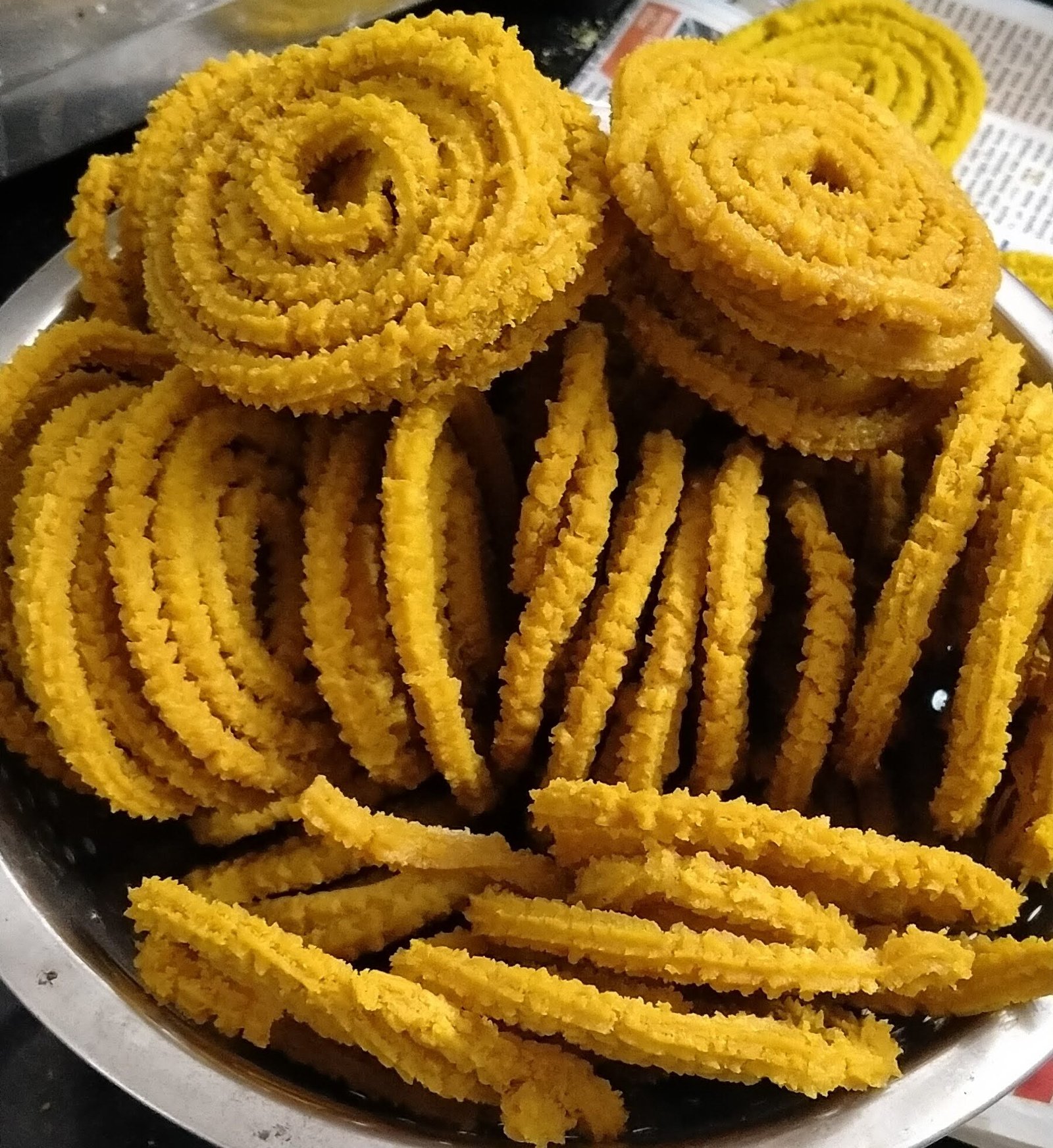
चकली
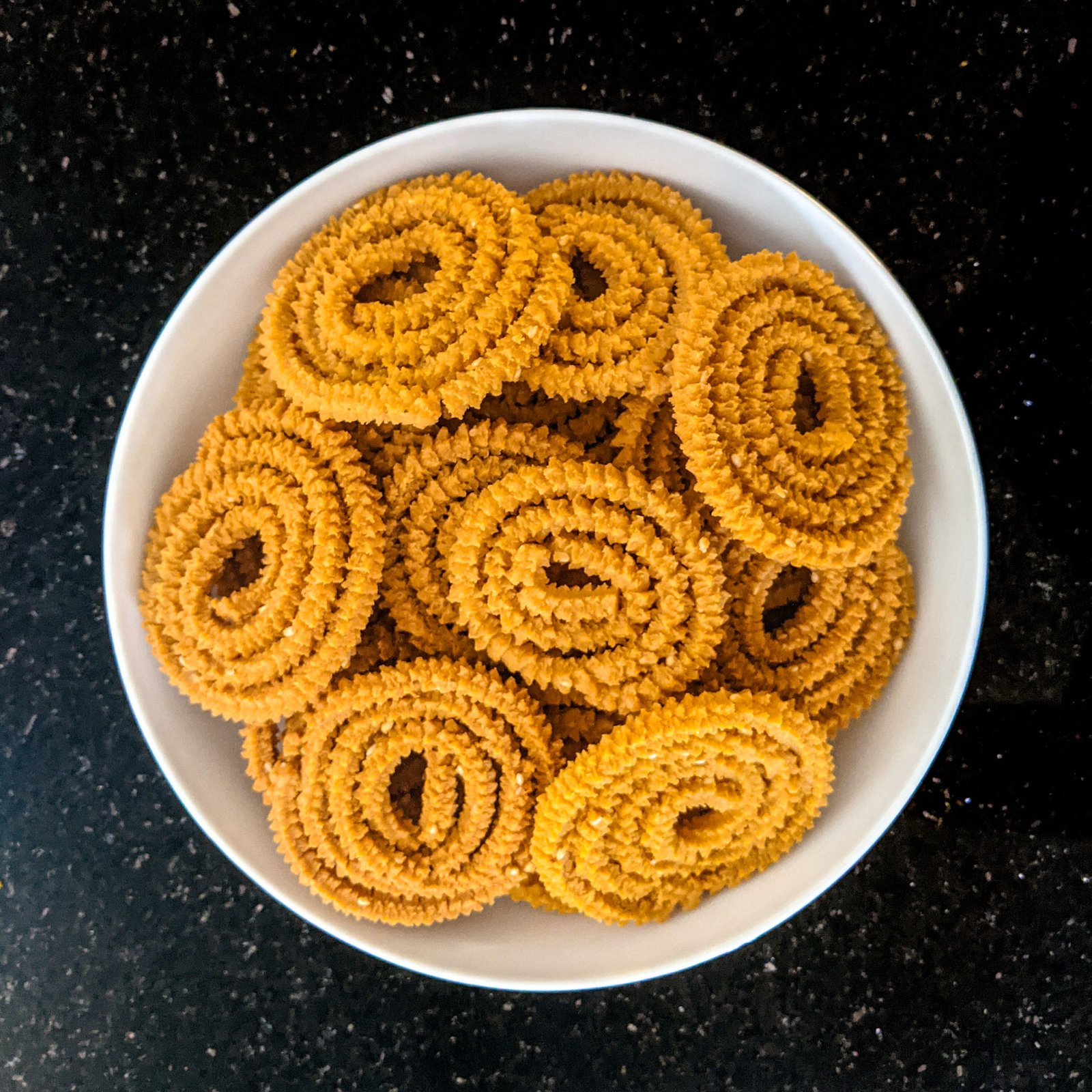
Bhajani ChakliThe one everything is judged by. Our own roasted bhajani, ova, til and a pinch of hing — pressed by hand and fried till it snaps clean.
₹180 / 250g
Roasted bhajani. Pure cow ghee. Small batches, every single day.
Twelve faral recipes from our own kitchen in Satara — ground, kneaded, rolled and fried by hand. No palm oil, no preservatives, no shortcuts. Packed the morning it reaches you.
Swaadved started in Satara, on a terrace where the year's rice and dals were sun-dried for भाजणी — the roasted flour blend that decides whether a chakli shatters or sighs. No recipe was ever written down. We learned it the way it is meant to be learned: standing next to Aaji, getting the dough wrong, and trying again.
“भाजणी चांगली, तर चकली चांगली.”
Get the bhajani right and the chakli takes care of itself.
We still roast our own bhajani in an iron kadhai — rice, chana dal, urad dal, poha and jeera, each roasted separately because each browns at its own pace. We still fry in pure cow ghee. And we still make only what the day's orders need, because faral is not meant to sit on a shelf.
Priced per 250 g box unless noted. Every item is fried to order and sealed the same morning it leaves us.
The one everything is judged by. Our own roasted bhajani, ova, til and a pinch of hing — pressed by hand and fried till it snaps clean.
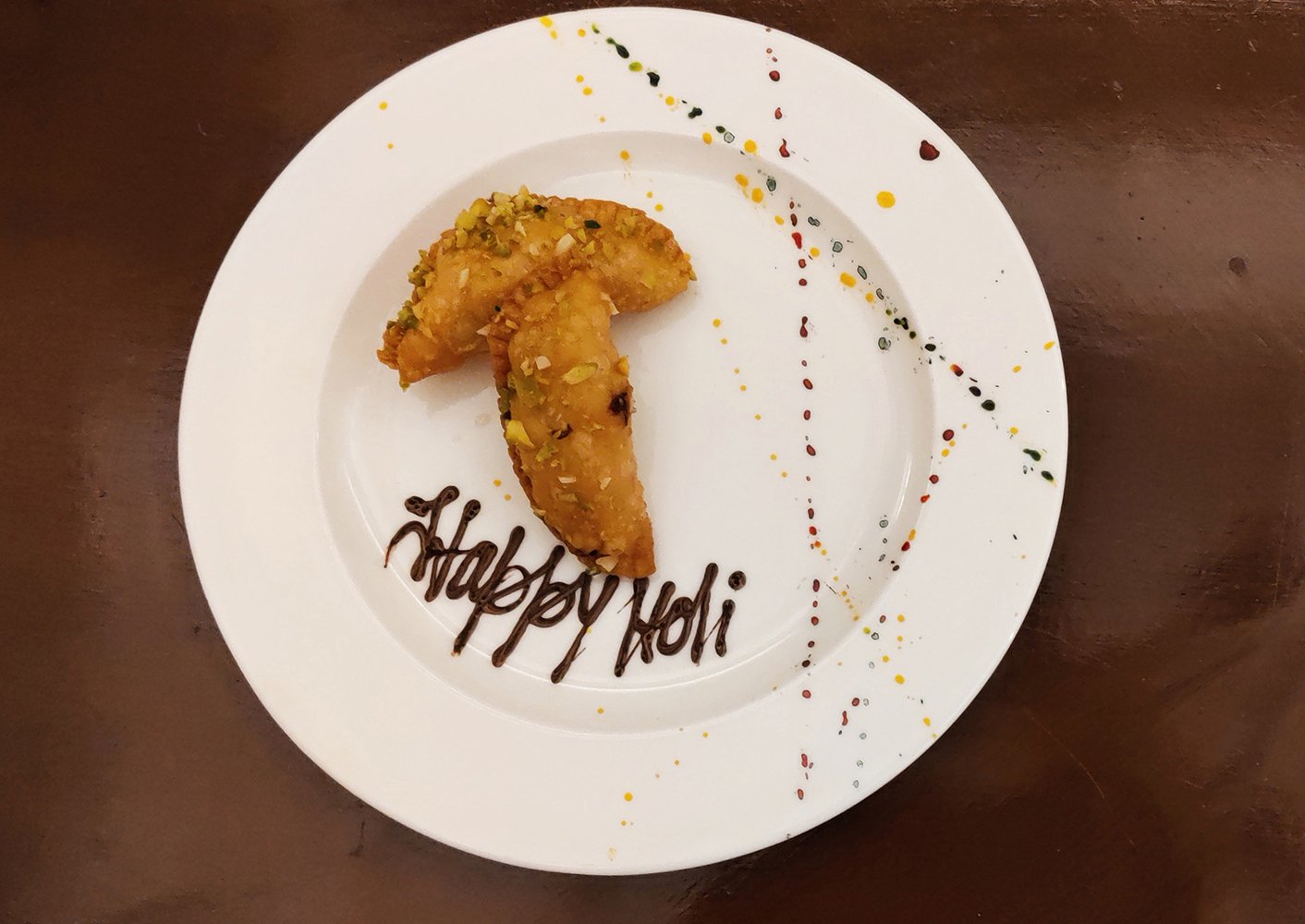
Paper-thin saatyachi covering with real khobra, gul, khaas-khaas and velchi inside. Crimped by thumb, never by mould.
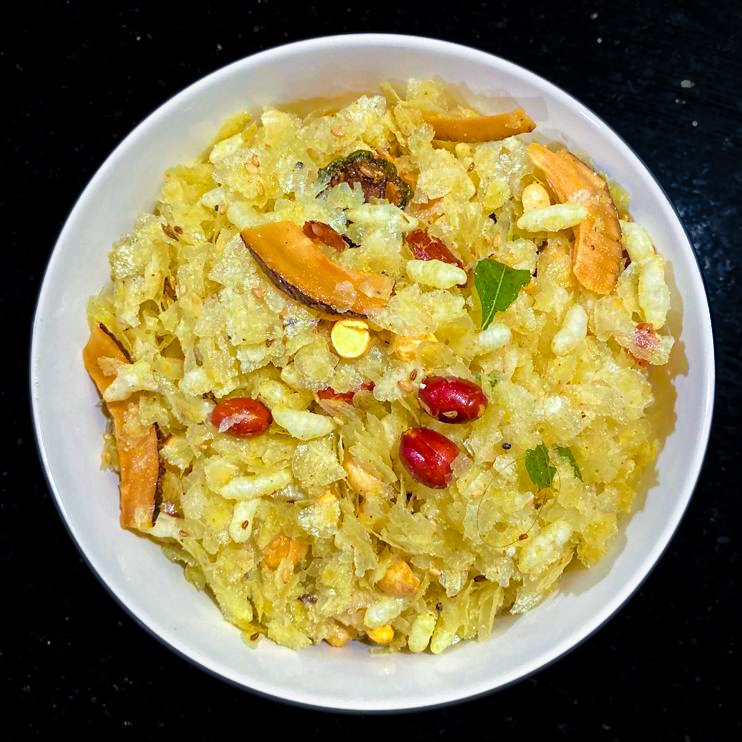
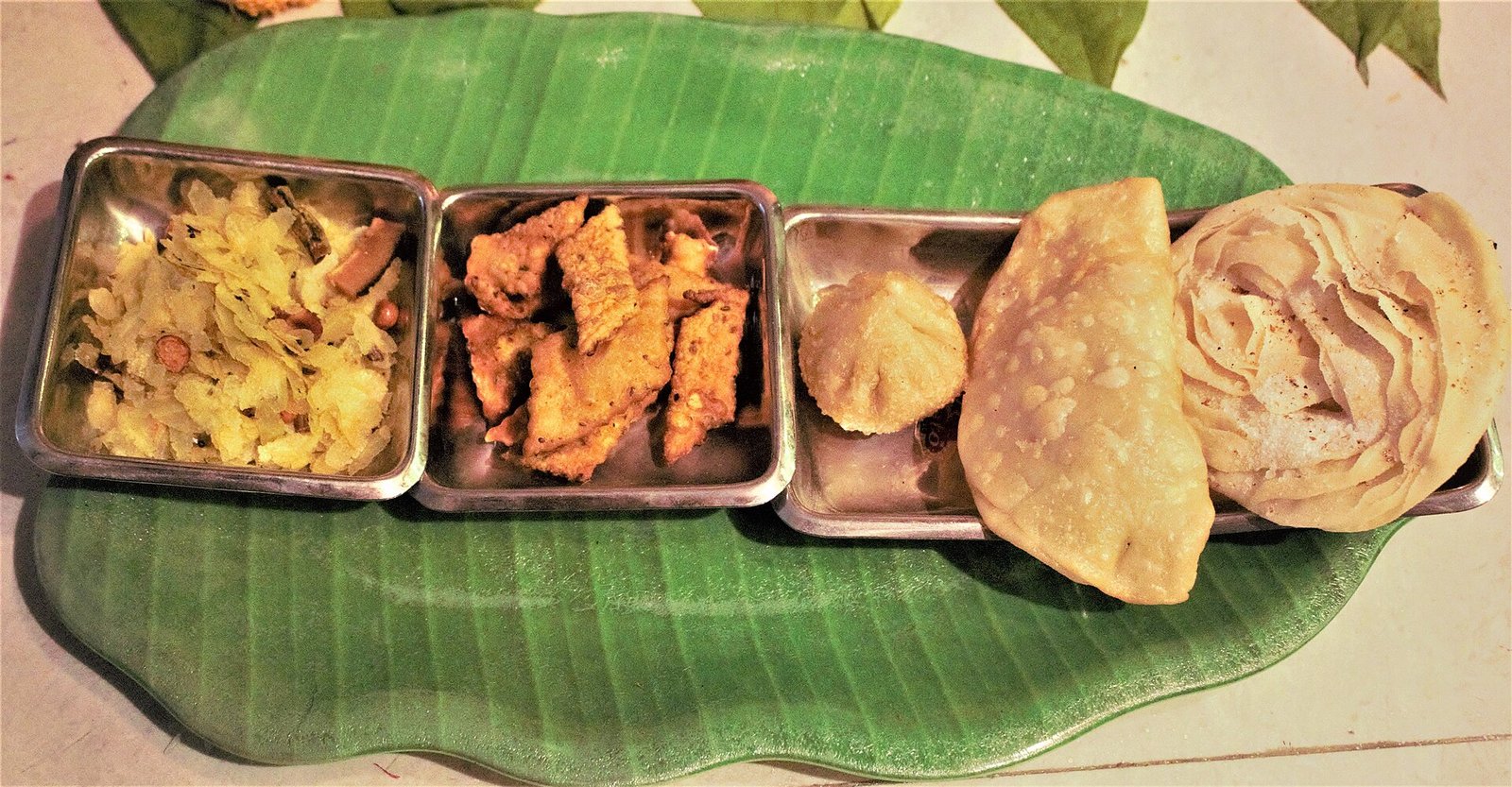
Thin poha roasted, not fried, then tossed with dane, dalya, kadipatta, khobra slivers and a whisper of pithi sakhar.
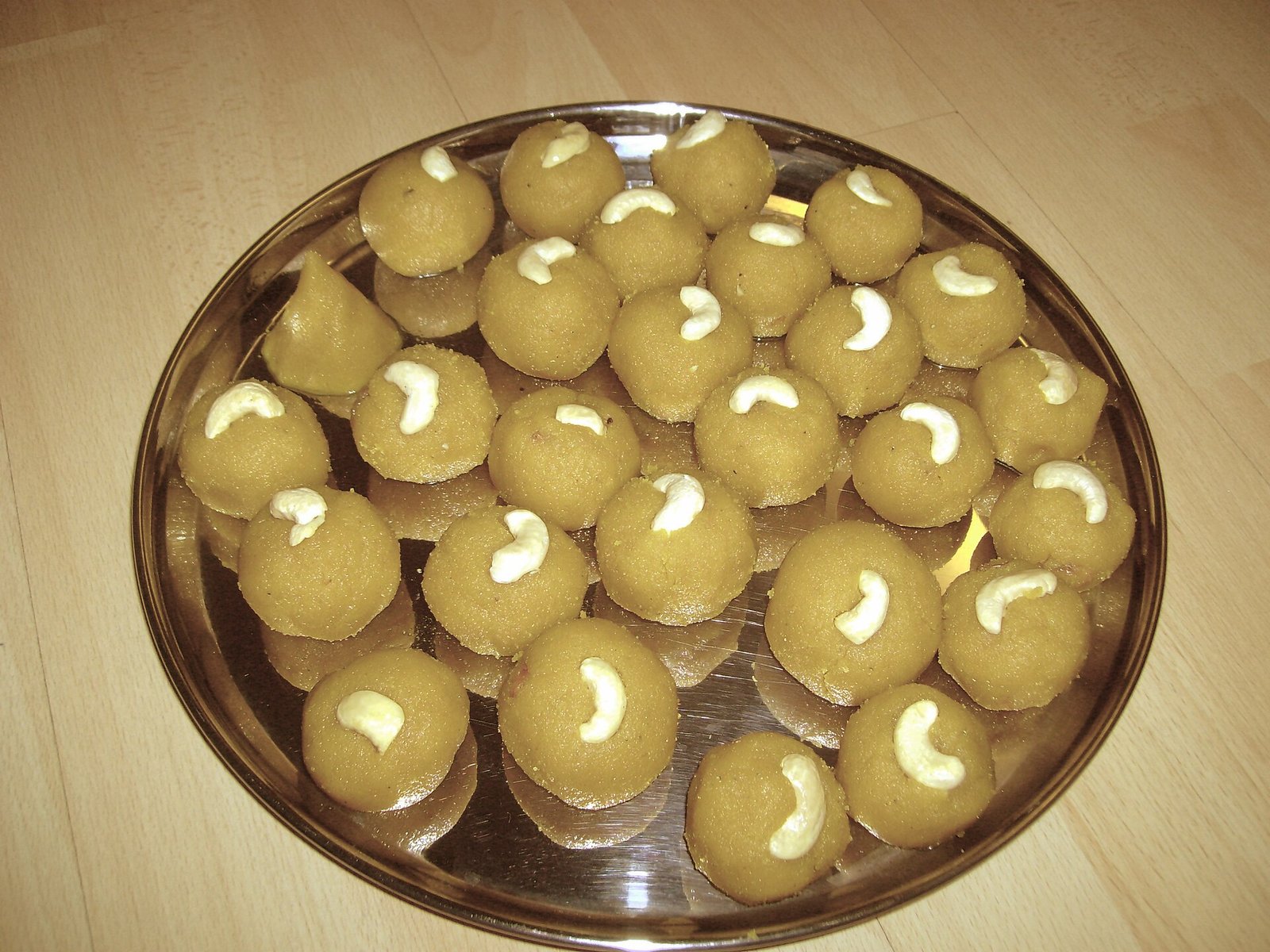
Coarse besan bhaajlela low and slow in ghee for forty minutes — that grainy, nutty दाणेदार bite you cannot rush.
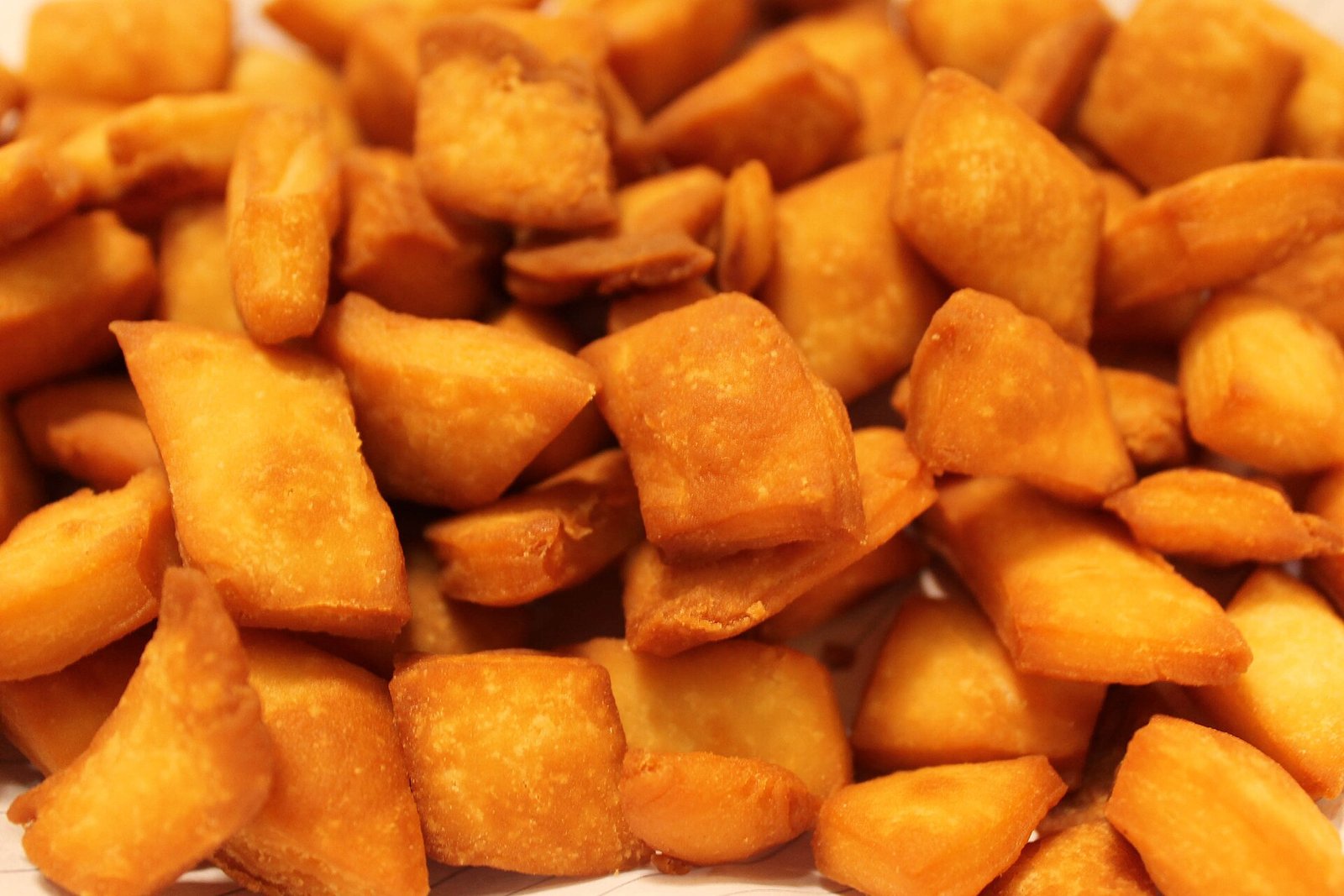
Milk, tup and sakhar kneaded stiff, cut into diamonds and fried on a low flame so they stay pale, flaky and light.
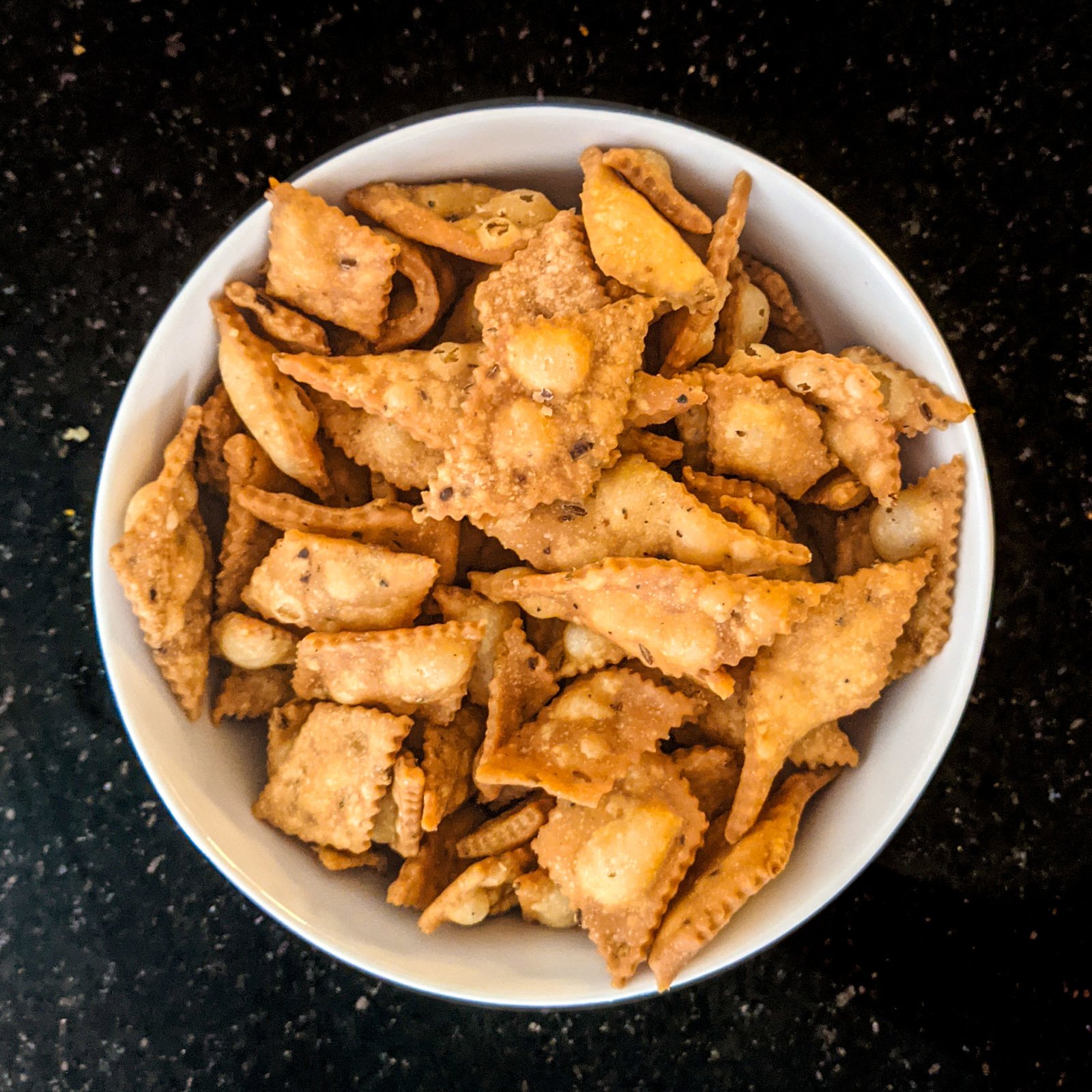
The tikhat cousin — ajwain, red chilli and salt in the dough. Dangerous next to a cup of evening chaha.
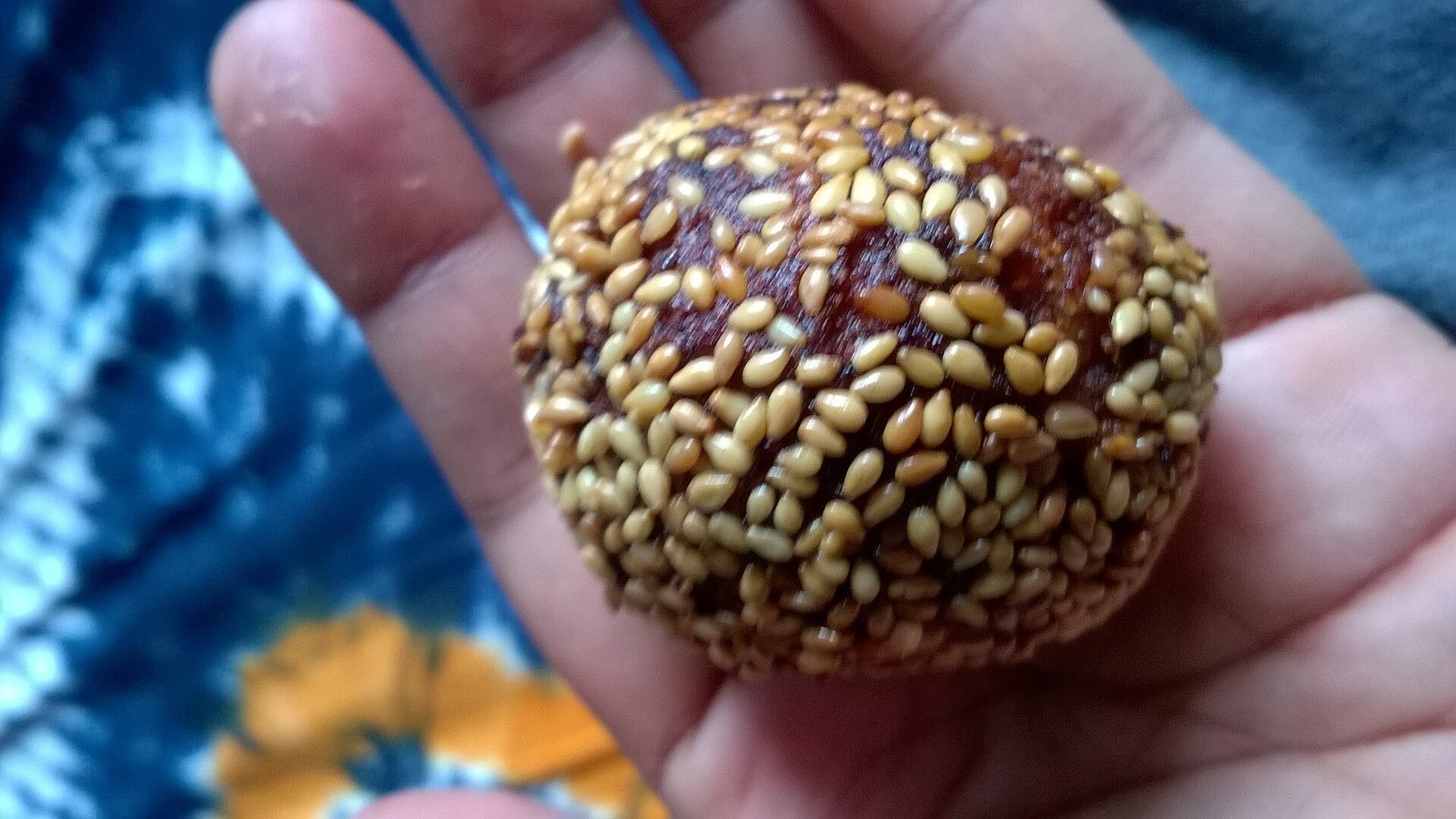
Rice soaked three days, ground with gul, rested a week, then fried poppy-seed side down. The hardest thing we make.
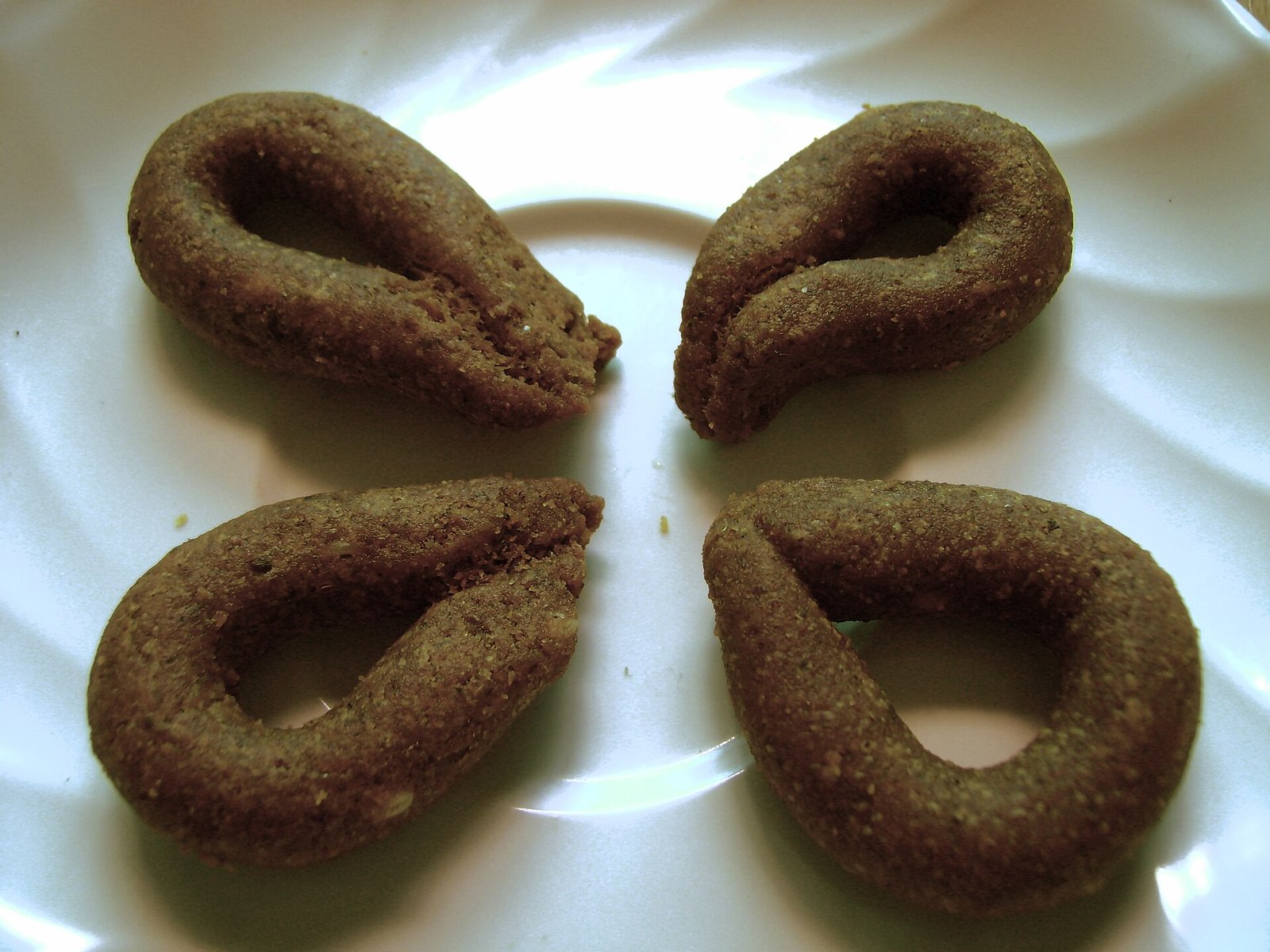
Rolled between the palms into a rough ring — no press, no mould. Denser and chewier than chakli, and twice as addictive.
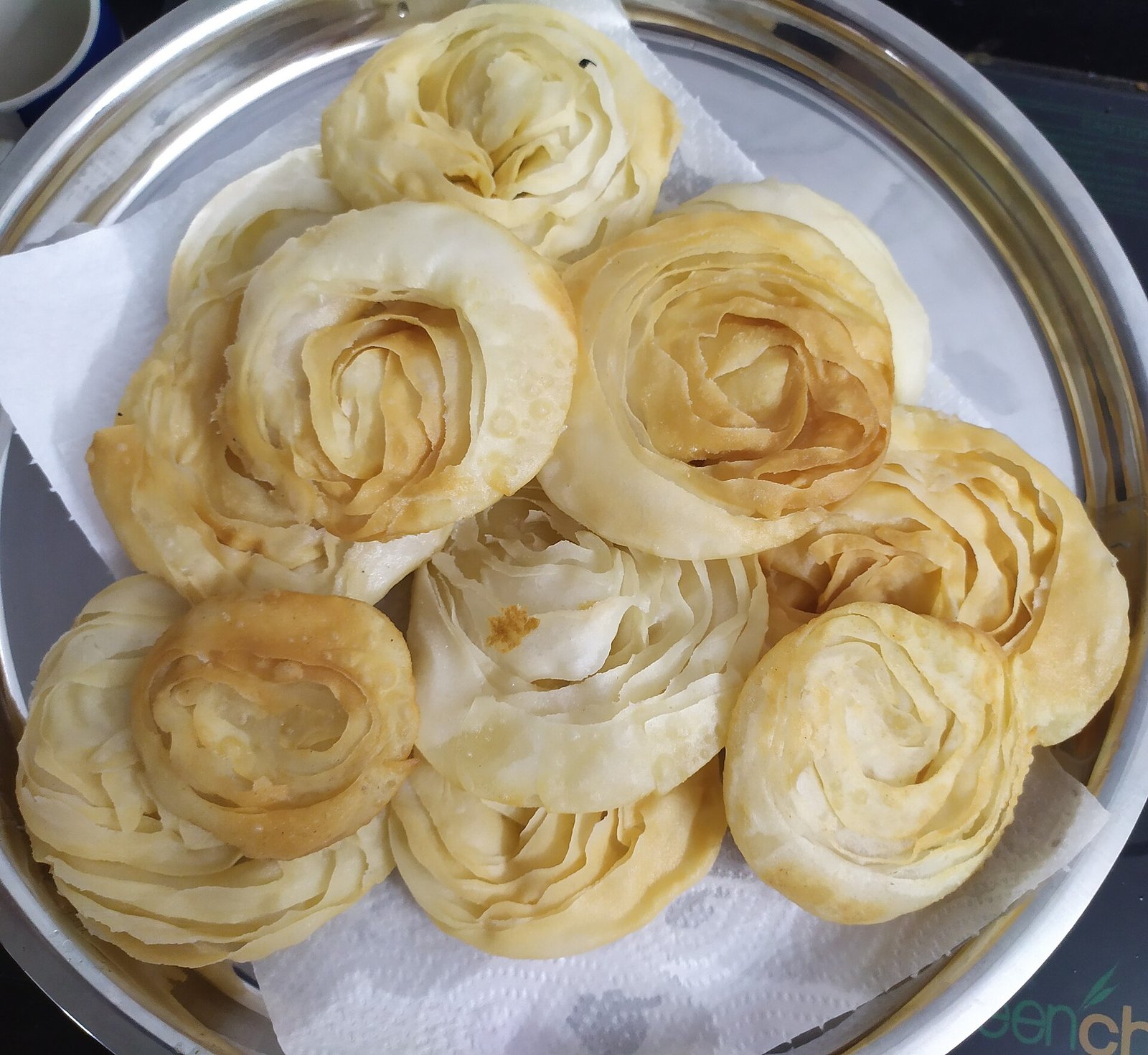
Sixteen laminated layers with rice-flour saata between them, fried and snowed over with pithi sakhar. It shatters if you look at it.
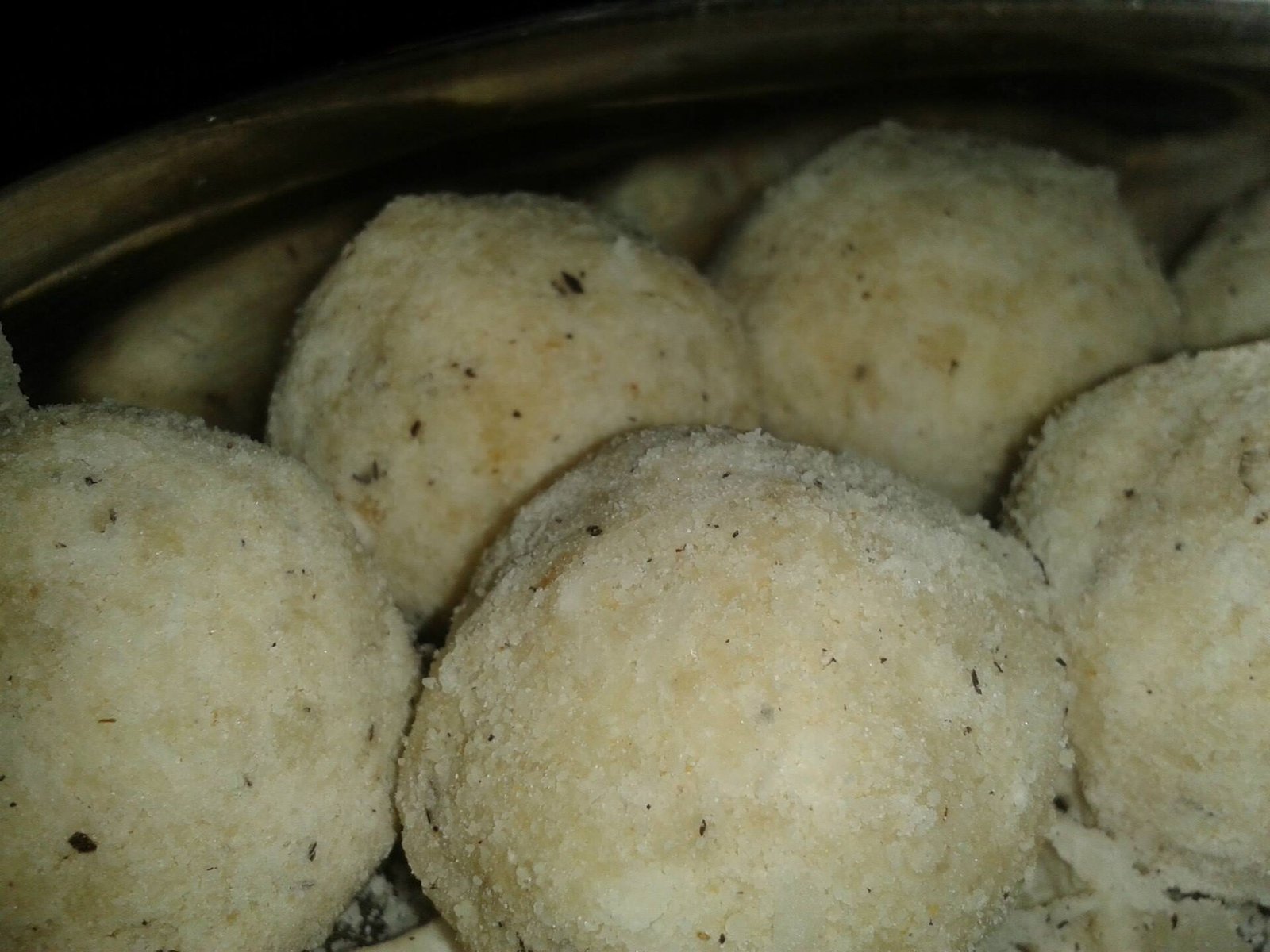
Fine rava roasted in ghee with khobra, bound in one-thread sugar syrup, studded with bedana and badam.
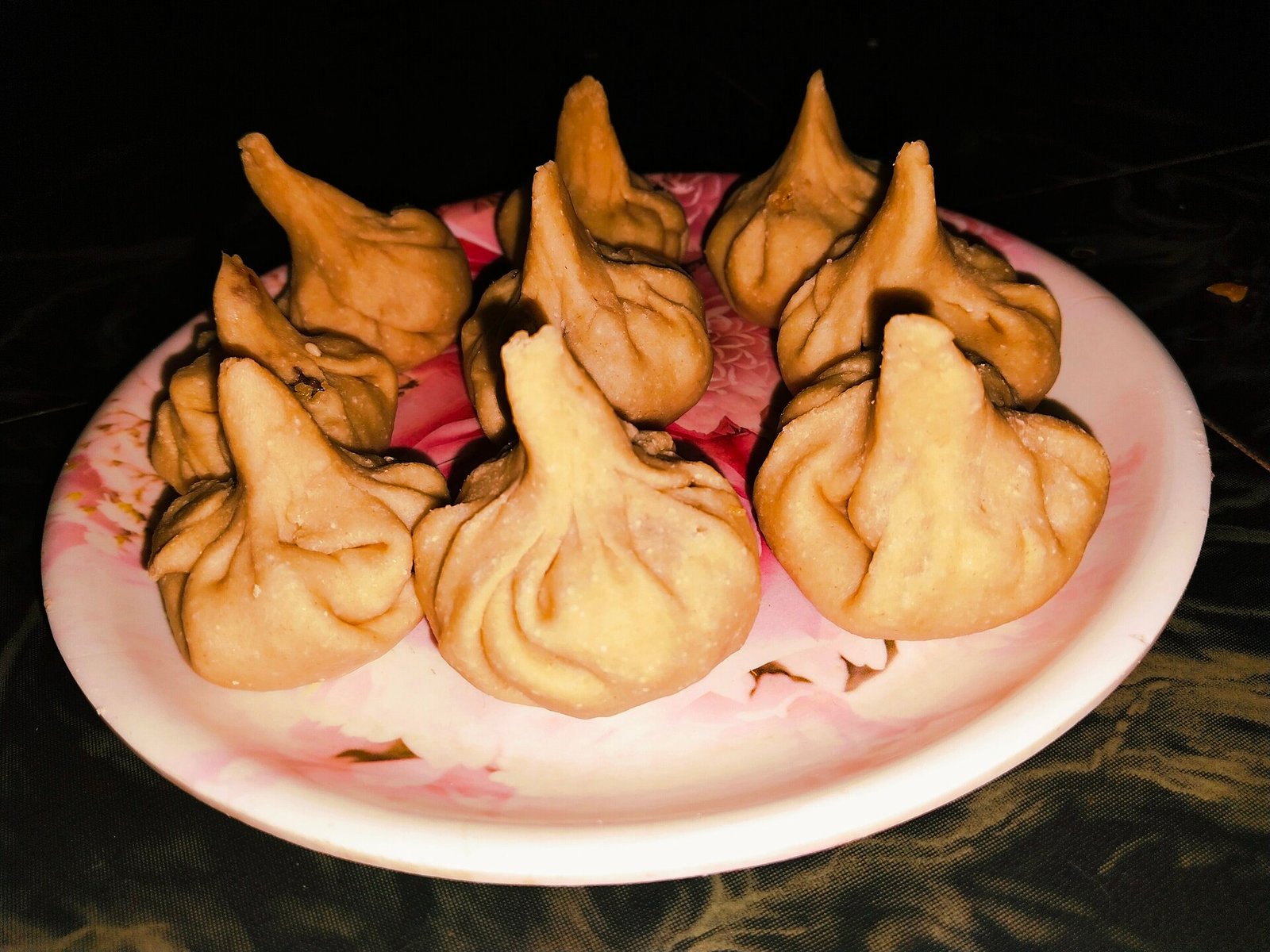
Twenty-one pleats, closed by hand. Ukadiche in the steamer or talniche in ghee — say which when you order.
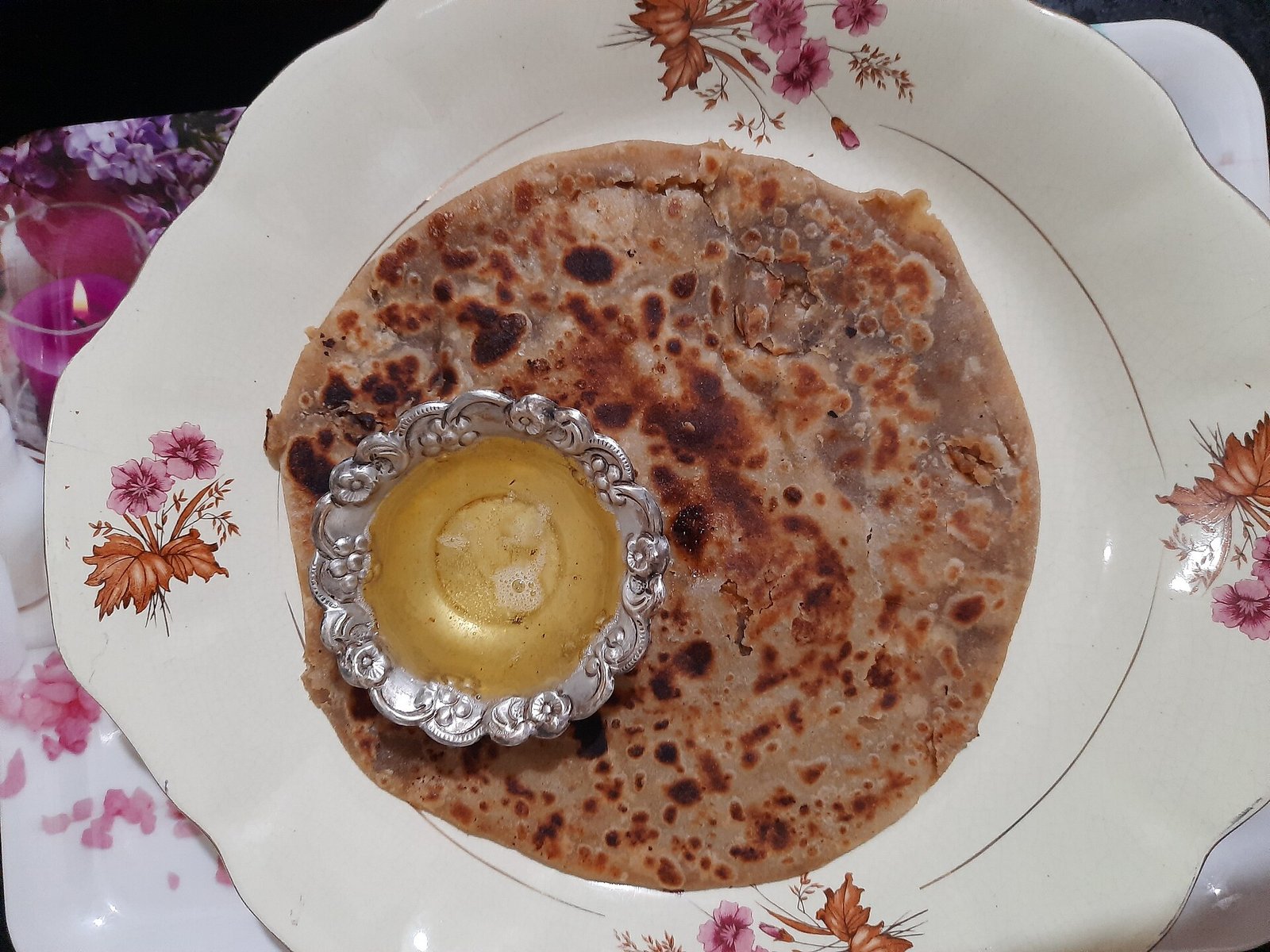
Chana dal puran with gul and jayphal, rolled thin enough to read through. Comes with a katori of loose tup.
Nothing here is a factory step. This is simply how faral has always been made.
Rice, chana dal, urad dal, poha and jeera are washed, sun-dried and roasted separately in an iron kadhai, then stone-ground warm.
Dough is kneaded with boiling water and mohan — hot ghee worked into the flour. This is what makes the difference between crisp and hard.
Fried in small batches in pure cow ghee, temperature judged the old way — by how a scrap of dough rises to the surface.
Cooled completely on cotton, then sealed in food-grade tins the same morning your box goes out. Nothing is stored overnight.
Short documentary clips of the traditional techniques our recipes rely on — hand-rolling sweet poli, frying in ghee, and drawing the rangoli that greets the festival. These are archival films from Wikimedia Commons, credited below each clip, not footage of our own kitchen.
A baker rolls out obbattu — the Kannada cousin of our puranpoli — stretching the stuffed dough thin without tearing the puran. Exactly the wrist our Aaji uses.
Subhashish Panigrahi · CC BY-SA 4.0 · Wikimedia Commons
Batter hits hot ghee in steady spirals. Watch how the halwai never checks a thermometer — the sound and the rise of the bubbles are the thermometer.
Subhashish Panigrahi · CC BY-SA 3.0 · Wikimedia Commons
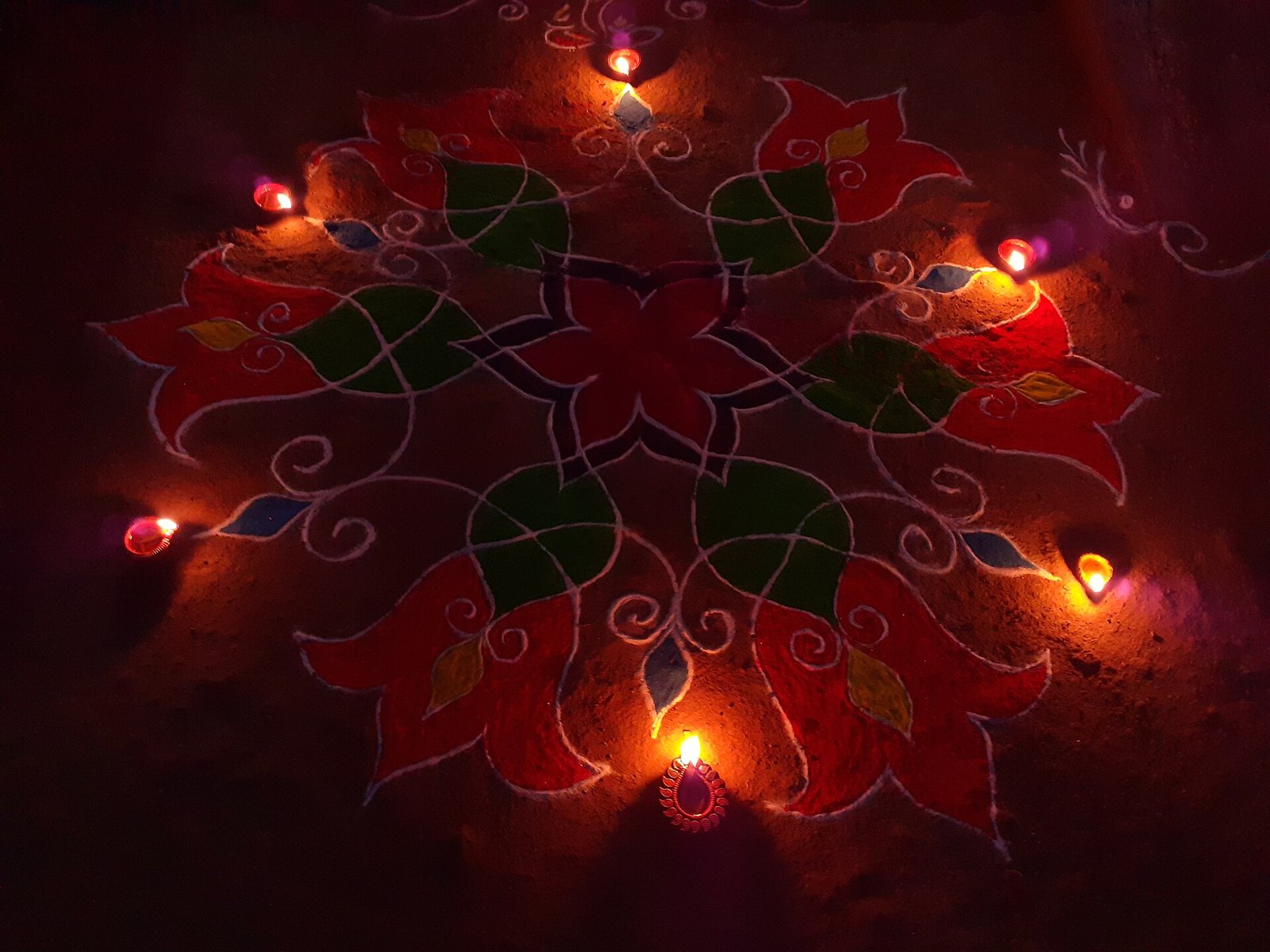
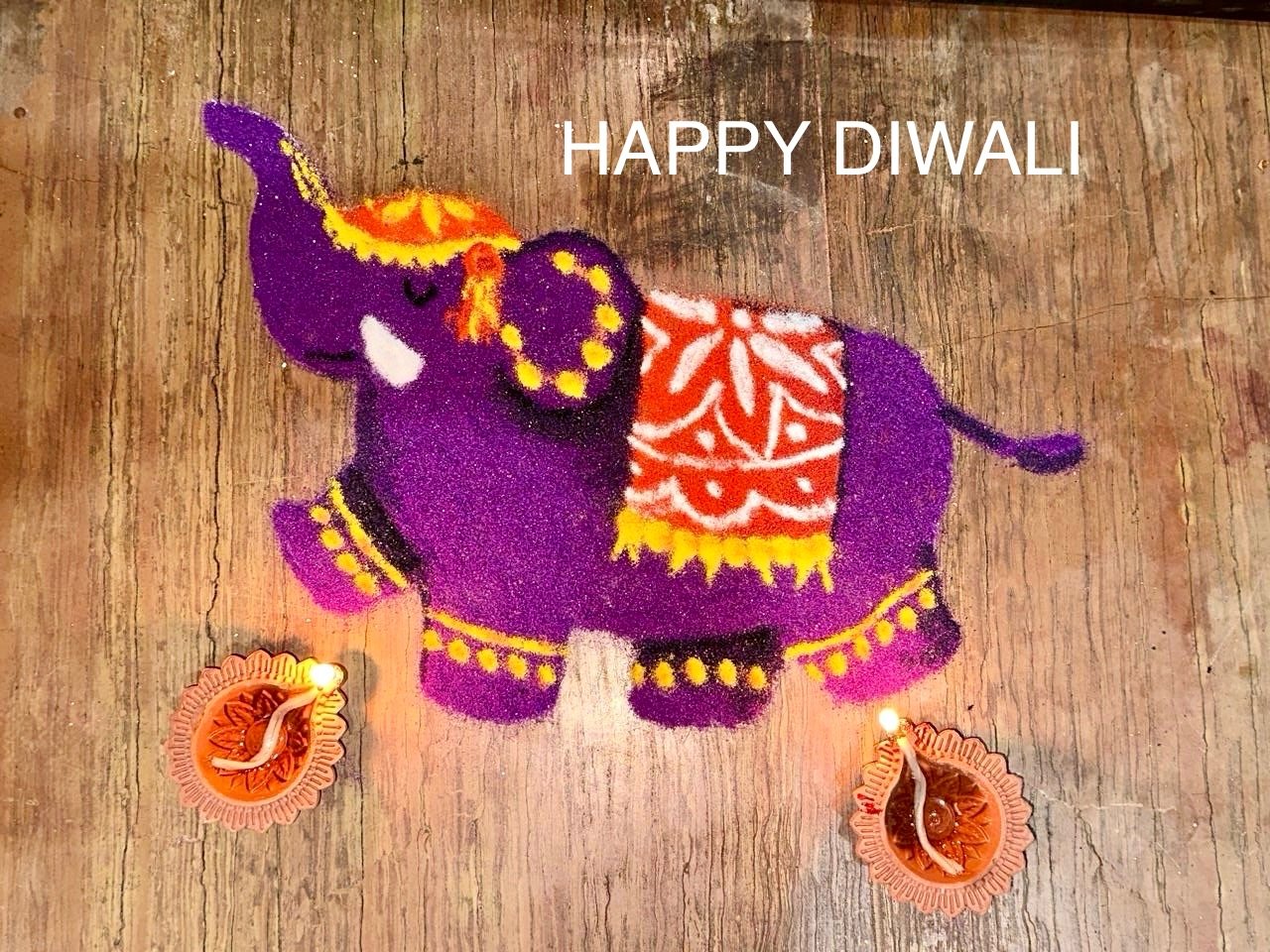
Before a single box is opened, the doorstep is drawn. A street vendor lays down colour with a mould — the same welcome your faral arrives into.
Subhashish Panigrahi · CC BY-SA 3.0 · Wikimedia Commons
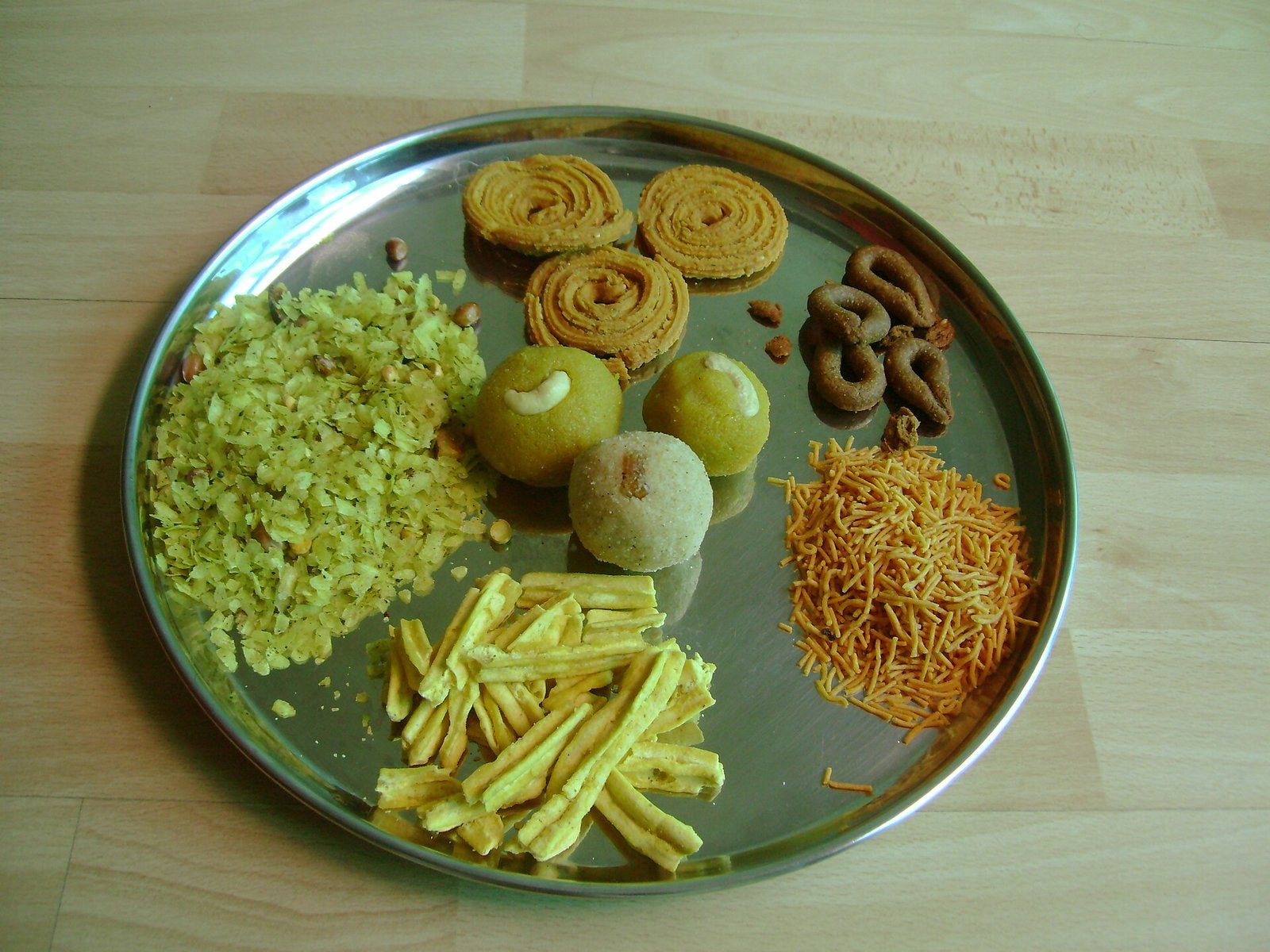
Packed in reusable tins, tied with cotton thread and a marigold tag. Custom mixes on request.
Orders are cooked to a queue, so please give us 3 days for boxes and 5 days for anarse and chirote. Diwali week closes early — book by the 15th.